
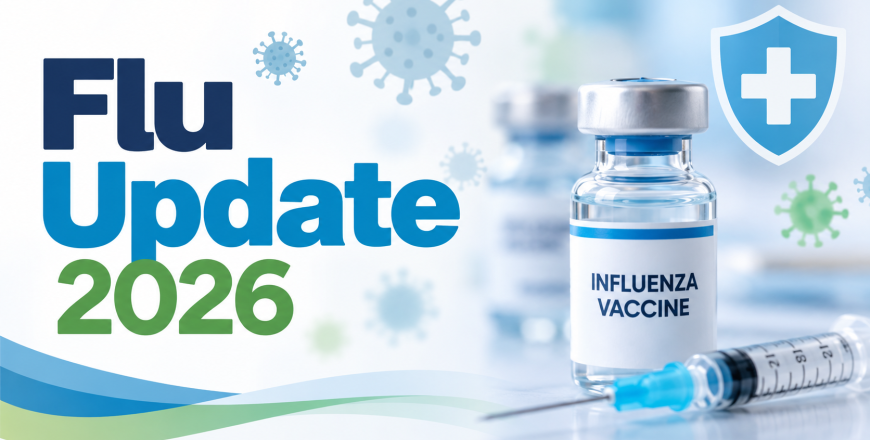
Flu Immunisation 2026 Update

- Description
- Curriculum
Duration: 3 Hours eLearning module
Lecturer: Kirsty Armstrong
CPD: 3 Participatory CPD Hours
Suitable for: Nurses, pharmacists, paramedics, healthcare professionals and immunisation practitioners involved in delivering or advising on seasonal influenza vaccination.
Flu Immunisation Training for the 2026–2027 Season
Stay up to date with the latest UK recommendations for the 2026–2027 seasonal influenza vaccination programme.
This recording from 8 October 2026, provides healthcare professionals with a practical update on the current flu immunisation programme, including the latest UKHSA, JCVI and Green Book guidance.
The 2026–2027 programme includes important updates to vaccine selection, eligibility and delivery. All influenza vaccines used this season are trivalent, and practitioners need to understand which vaccine is recommended for different age and clinical risk groups.
The session will also explore common clinical questions, contraindications, precautions and scenarios encountered during flu vaccination clinics.
What’s New for the 2026–2027 Flu Season?
The webinar will highlight the key changes and recommendations for this season, including:
-
Current eligibility for NHS seasonal influenza vaccination
-
Introduction of people experiencing homelessness aged 16 years and over into the national programme
-
Expansion of community pharmacy flu vaccination for children
-
Recommended start dates for adult, childhood and pregnancy programmes
-
Updated vaccine recommendations by age and clinical risk group
-
Use of adjuvanted, cell-based, high-dose and recombinant influenza vaccines
-
Preferred vaccines for adults aged 65 years and over
-
Vaccine choices for adults aged 18–64 years in clinical risk groups
-
Current recommendations for pregnant women
-
LAIV and inactivated vaccine options for children
-
Updated advice relating to egg allergy and influenza vaccination
-
Contraindications and precautions associated with LAIV
-
Current advice on co-administration with other vaccines
-
Vaccine effectiveness, timing and waning immunity
-
Management of common vaccination issues and errors
Course Programme
The 2026–2027 UK Flu Immunisation Programme
-
Influenza epidemiology and why annual vaccination remains important
-
Review of the 2025–2026 season
-
Current UK vaccination strategy
-
What’s changed for 2026–2027?
-
Eligible patient groups
-
Clinical risk groups
-
Pregnancy and flu vaccination
-
Household contacts of immunocompromised individuals
-
Carers and long-stay residential care residents
-
Frontline health and social care workers
-
New eligibility for people experiencing homelessness
-
Timing of the 2026–2027 programme
Choosing the Correct Flu Vaccine
Practical review of the vaccines available during the 2026–2027 season:
-
IIVc – cell-cultured inactivated influenza vaccine
-
IIVe – egg-cultured inactivated influenza vaccine
-
IIVr – recombinant influenza vaccine
-
aIIV – adjuvanted influenza vaccine
-
IIV-HD – high-dose influenza vaccine
-
LAIV – live attenuated influenza vaccine
The session will consider:
-
Which vaccine for which age group?
-
Vaccine choice for people aged 65 years and over
-
Vaccine choice for adults aged 18–64 years in clinical risk groups
-
Vaccine selection in pregnancy
-
Vaccinating children aged 6 months to under 2 years
-
LAIV in children aged 2 to under 18 years
-
Alternatives when LAIV is contraindicated or unsuitable
-
Egg allergy and egg-free vaccine options
-
Off-label use and practical considerations
Safe Administration & Managing Complex Situations
-
Pre-vaccination assessment
-
Consent and capacity
-
Contraindications and precautions
-
Acute illness and vaccination
-
Immunosuppression
-
Pregnancy and breastfeeding
-
Egg allergy and previous anaphylaxis
-
LAIV contraindications
-
Salicylate therapy and LAIV
-
Vaccine administration
-
Co-administration with other vaccines
-
Adverse reactions
-
Anaphylaxis recognition and immediate management
-
Vaccine errors and incident management
-
Documentation and record keeping
-
Cold chain and vaccine storage
-
Safety-netting and patient information
Case Studies, Common Questions & Knowledge Check
Interactive clinical scenarios covering:
-
Selecting the correct vaccine
-
The older patient with multiple comorbidities
-
Vaccinating a pregnant woman
-
The immunosuppressed patient
-
The child who cannot receive LAIV
-
Egg allergy
-
Previous reactions to influenza vaccines
-
Missed or delayed vaccination
-
Managing vaccination errors
-
Questions frequently encountered during flu clinics
It is particularly useful for practitioners who already have immunisation training and require an annual flu vaccination update for the 2026–2027 season.
Lecturer – Kirsty Armstrong ANP
The webinar will be delivered by Kirsty Armstrong, an experienced immunisation educator who regularly teaches vaccination and immunisation updates for healthcare professionals.
Kirsty will use practical examples, clinical scenarios and common questions from vaccination clinics to help participants translate current national guidance into safe everyday practice.
-
1
 Immunity and how vaccines work
This session introduces delegates to the basic principles of the immune system and how vaccines protect individuals against infectious diseases. It explores innate and acquired immunity, active and passive immunity, the role of antibodies and immune memory, and the differences between live attenuated and inactivated vaccines.
The session also explains why some vaccines require multiple doses or boosters, how vaccines contribute to population immunity, and the importance of vaccination in preventing infectious diseases.
-
2
Contraindications for Vaccinations 2026
This session introduces delegates to the contraindications, precautions and special considerations associated with vaccination. It explores when vaccines should be avoided, temporarily deferred or administered following specialist assessment.
Key topics include previous anaphylactic reactions, vaccine component allergies, immunosuppression, pregnancy, acute illness and common misconceptions about vaccine contraindications. Emphasis is placed on safe pre-vaccination screening, recognising potential risks and escalating concerns appropriately.
-
3
Consent for Vaccinations 2026
This session introduces delegates to the legal, ethical and professional principles of obtaining valid consent before vaccination. It explores informed and voluntary consent, communicating vaccine benefits and risks, assessing capacity, parental responsibility and consent in children and young people.
The session also examines the responsibilities of healthcare support workers, appropriate documentation and the importance of respecting an individual's right to refuse or withdraw consent
-
4
Vaccine storage and disposal
Vaccines are both sensitive biological substances and Prescription-Only- Medicines (POMs). This chapter of the greenbook section attached outlines:
- storage requirements for vaccines
- ways of obtaining centrally purchased vaccines
- restrictions on the use of centrally purchased vaccines
- recommendations for stock management
- handling spillages, and
- safe disposal of expired or damaged vaccines
This session provides theoretical learning. Workplace procedures, practical training and competency assessment remain essential for staff responsible for vaccine storage and handling.
This session introduces delegates to the safe storage, handling and management of vaccines in accordance with UKHSA Green Book guidance. It covers maintaining the cold chain, monitoring vaccine refrigerator temperatures, receiving and storing vaccines, stock management and responding appropriately to cold-chain breaches to ensure vaccine safety and effectiveness.
-
5
Anaphylaxis
Anaphylaxis is a potentially life-threatening systemic hypersensitivity reaction requiring prompt recognition and emergency treatment. Healthcare professionals involved in vaccination, medicines administration and patient care must be able to identify the early warning signs and respond appropriately.
This session is based on the Resuscitation Council UK Emergency Treatment of Anaphylaxis Guidelines (May 2021) and focuses on recognising anaphylaxis, assessing patients using the ABCDE approach and initiating emergency management.
Delegates will explore the differences between mild allergic reactions, vasovagal episodes and anaphylaxis, alongside the importance of intramuscular adrenaline, appropriate patient positioning, emergency escalation and ongoing monitoring.
-
6
Flu Vaccinator Competency Assessment Tool
-
7
Flu and IMMS - Crossword
-
8
Flu Handouts 2026
This session provides healthcare professionals involved in delivering the seasonal influenza vaccination programme with an evidence-based update on the 2026–2027 UK flu immunisation programme.
The training explores changes to influenza vaccine formulations, including the transition to trivalent vaccines, vaccine selection for different age groups and clinical risk categories, and the latest recommendations for children, pregnant women, older adults and immunocompromised individuals.
The session also addresses contraindications, vaccine administration, informed consent, vaccine safety, medico-legal responsibilities and strategies to improve vaccination uptake.






Social Network