
Non Medical Prescribing Update Online

- Description
- Curriculum
- FAQ
- Notice
Format: Self-paced, Online Access for 3 Months
Duration: Approx. 6 Hours of Content
CPD Certificate
Course Overview
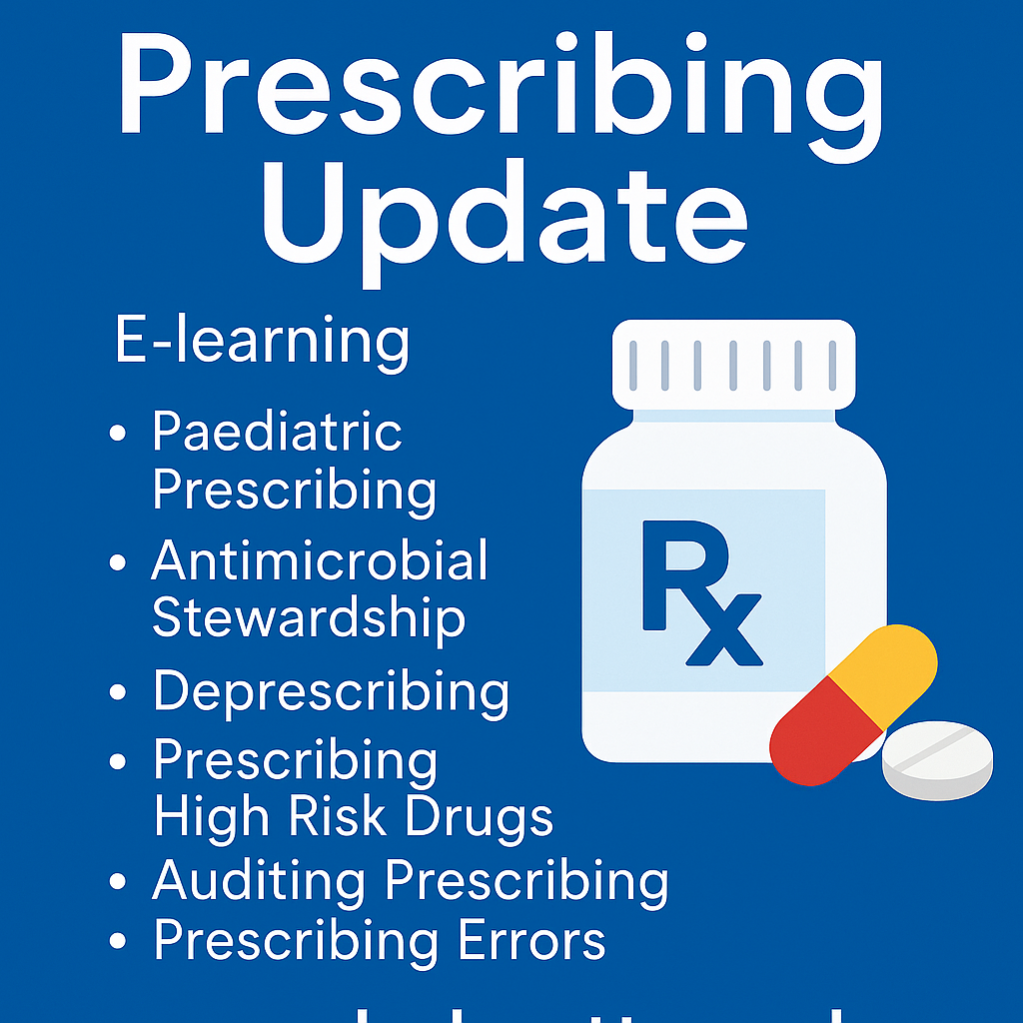
This self-paced online CPD course is designed for healthcare professionals with prescribing responsibilities, including non-medical prescribers, pharmacists, nurses, and allied health professionals. The course delivers critical updates and reinforces best practice in safe, evidence-based prescribing—with a focus on patient safety, emerging guidance, and practical tools for daily prescribing decisions. It includes content on paediatric prescribing, antimicrobial stewardship, and management of polypharmacy, making it highly relevant for both primary and secondary care clinicians.
-
This course is ideal for all healthcare professionals involved in prescribing, monitoring, or reviewing medications in clinical practice. It is especially useful for those working in primary care, urgent care, community services, and acute settings.
Curriculum Highlights
-
-
Safe Prescribing Practice – Strategies to reduce medication errors, avoid unsafe combinations, and comply with current legislation. Adult prescribing.
-
Paediatric Prescribing- Best practices in age-appropriate dosing, red flags in child assessments, and safe prescribing in common childhood illnesses.
-
Antimicrobial Stewardship & Antibiotic Resistance – Learn how to optimise antimicrobial use, reduce unnecessary prescribing, and understand the implications of antimicrobial resistance (AMR) in clinical practice.
-
New Drugs & Guidelines – Including updated advice and relevant changes to BNF and NICE guidance.
-
Polypharmacy and Deprescribing – Approaches to reducing medication burden, particularly in older adults or those with multimorbidity.
- Prescribing in older patients, in asthma and in Vitamin B12 deficiency.
-
Clinical Governance & Audit – Tools to support prescribing audits and implement safe practice frameworks in line with MHRA and CQC expectations.
-
-
Recommended for:
-
Nurse Independent Prescribers (NIPs)
-
Pharmacist Independent Prescribers (PIPs)
-
Advanced Nurse Practitioners (ANPs)
-
Clinical Pharmacists in GP Practices or PCNs
-
Paramedic Prescribers
-
Physiotherapist and Podiatrist Prescribers
-
Non-medical prescribers across NHS and private sectors
-
Healthcare professionals preparing for prescribing revalidation or CPD
Whether you are new to prescribing or looking to refresh and update your knowledge, this course will enhance your confidence, keep you aligned with the latest NICE guidelines and MHRA alerts, and support safe prescribing in high-risk scenarios.
non-medical prescribing update courseCPD prescribing training for nurses and pharmacists online course for independent prescribers antimicrobial stewardship training UK paediatric prescribing course onlineCPD for prescribers 2025prescribing errors and high-risk medication training sRelated Courses Antimicrobial Stewardship Minor Illness Course Introduction to General Practice
-
Reviews
“Very informative – a long session with lots of information.”
-
1
 Antimicrobial Stewardship Presentation 2025
This session discusses how antibiotics work and the current guidelines for antimicrobial prescribing.
-
2
Antimicrobial prescribing in adults
This session discusses antimicrobial stewardship.
-
3
 Antimicrobial Prescribing Quiz
 -
4
 Summary Antimicrobial Guidelines
These guidelines update regularly. Ensure you stay up to date.
-
5
Prescribing Update Handouts
This session covers the latest update in prescribing in general practice and primary care settings.
-
6
Quality and Outcome Framework
-
7
Transfer of Care
The Transfer of Care session highlights the critical role of accurate and timely communication when patients transition between healthcare settings. From hospital discharges to outpatient appointments and cross-sector referrals, this session focuses on recognising, coding, and escalating both clinical and non-clinical information effectively. It also covers delegation of responsibilities, clinical coding best practices, and safeguards to ensure continuity and safety in patient care.
Designed for healthcare professionals in general practice and primary care, the session includes interactive case studies to reinforce learning.
-
8
OTC Prescribing
-
9
Tackling prescripition drugs with dependency potential
-
10
High Risk Drug Monitoring
-
11
Effective Medication Review in General Practice
-
12
Prescribing MCQ
-
20
Yellow Card Scheme References
The Yellow Card Scheme is run by the Medicines and Healthcare Products Regulatory Agency (MHRA). It collects, collates and investigates reports of suspected adverse drug reactions (ADRs). The MHRA and its predecessor organisations have collected reports of suspected ADRS through the YCS since its introduction in 1964. Over 1 million yellow card reports have been collected since the scheme was established. It was the world’s first spontaneous reporting scheme for the reporting of suspected adverse drug reactions and is the cornerstone of post marketing drug safety surveillance in the UK. The scheme is voluntary and relies on the identification and reporting of adverse drug reactions by health professionals and patients.
Visit www.mhra.gov.uk/yellowcard for more information on the scheme
•Minor Illness
•Minor Injuries
•Blood Results Interpretation
•Paediatric Minor Injuries
•Paediatric Minor Illness
•Mental Health Awareness
•Autism Training
•Basic Life Support and Anaphylaxis training
•Mandatory training
•Safeguarding Children (Levels 1, 2 & 3)
•Learning Disability Awareness
•Dementia Care
Please email [email protected] on completion of this course for a certificate.






Social Network