
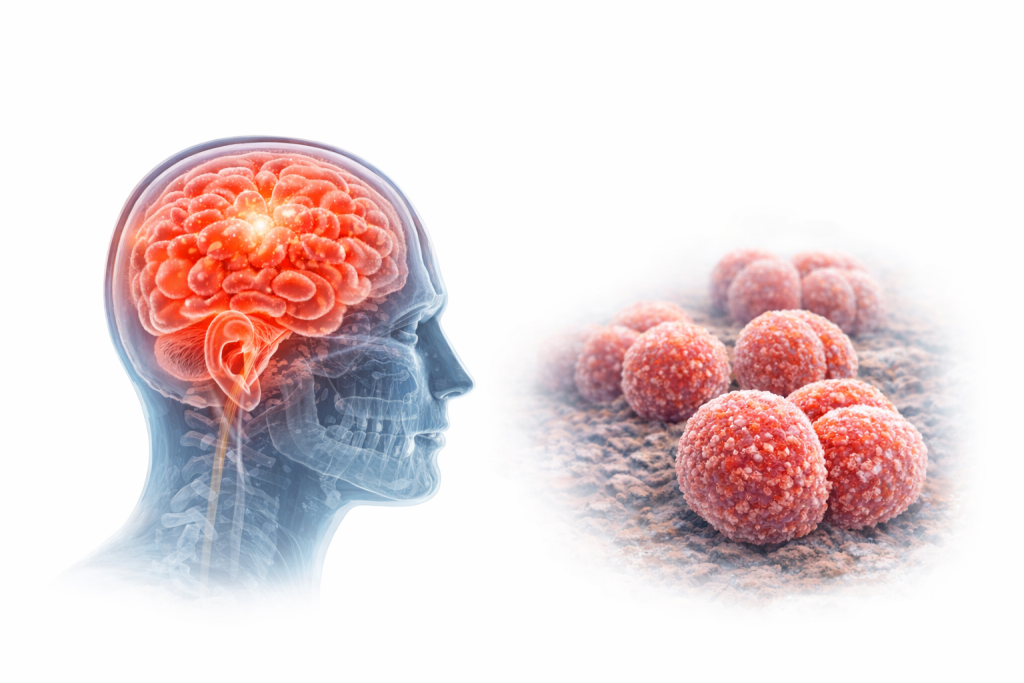
Meningitis B is a rare but rapidly progressive infection that can deteriorate within hours, particularly in children and young adults. Early symptoms are often non-specific—fever, headache, fatigue, and muscle aches, making early recognition challenging in primary care and urgent care settings. However, as the disease progresses, it can lead to meningitis, septicaemia, and life-threatening complications, including shock and multi-organ failure.
Recent UK cases have highlighted how quickly clusters can emerge in close-contact environments such as universities, where social mixing increases transmission risk. Despite this, the overall risk to the wider population remains low. The key to reducing morbidity and mortality lies not in panic, but in vigilance and recognising early warning signs, acting decisively, and implementing prompt public health measures. Early antibiotic treatment and timely prophylaxis for close contacts remain the most effective strategies in preventing further spread and protecting at-risk individuals

The proton pump inhibitor (PPI), introduced in 1989, reflected a major medical therapeutic breakthrough in the treatment of peptic ulcers and GORD, resulting in more rapid healing of the lesions and symptom relief. Now, PPIs are the cornerstone in the management of gastric and duodenal ulcers, dyspepsia, gastro-oesophageal reflux disease (GORD), Zollinger–Ellison (ZE) syndrome, Helicobacter […]

Belmatt Healthcare Training has been delivering the Mandatory Training course to GP and nurses who book via the Royal society of Medicine, General Practice Section for the past 4 years. The practical face to face sessions are usually over subscribed and very popular. The recent pandemic has meant converting our courses to e-learning units. We […]

This month we are very proud when one of our own had her work published by NICE. Aneela runs a range of courses at Belmatt and regularly provides case studies for our Advanced Practitioners on our WhatsApp group. Please see her article published in NICE guidelines below: https://www.nice.org.uk/sharedlearning/safe-prescribing-of-high-risk-drugs Aims and objectives NICE recommends safe prescribing […]