
Paediatric Minor Illness eLearning

- Description
- Curriculum
- FAQ
Course Overview
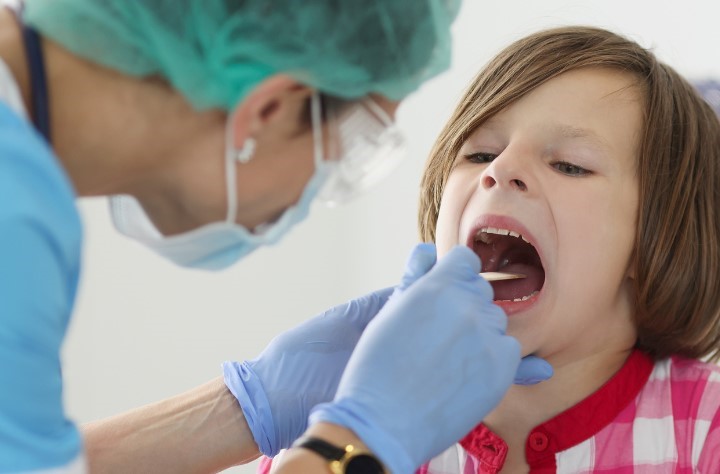
This Paediatric Minor Illness Course is specifically designed for healthcare professionals working with children in primary care, general practice, and urgent care settings. It provides the knowledge and skills required to assess, diagnose, treat, and manage minor paediatric conditions with a focus on evidence-based practice, family-centred care, legal and ethical considerations, and professional collaboration.
Course Aims
- To develop understanding and insights into common minor illnesses in the paediatric population.
- To integrate current research, guidelines, and best practices in paediatric minor illness management.
Course Objectives
By the end of the course, participants should be able to:
- Recognise the signs and symptoms of common minor illnesses in children.
- Utilise evidence-based interventions and medications specific to paediatric patients.
- Demonstrate effective communication skills to engage children and families in care decisions.
- Work effectively with nurse practitioners, paramedics, and pharmacists to provide cohesive care.
- Adhere to the legal and ethical guidelines specific to paediatric care.
- Provide education and support to families regarding disease prevention, management, and overall child well-being.
- Demonstrate flexibility in providing care across primary care, general practice, and urgent care environments.
Target Audience
- Nurse Practitioners: Registered nurses with specialized training in paediatric minor illness care.
- Paramedics: Emergency care providers enhancing their skills in managing minor paediatric illnesses.
- Pharmacists: Professionals aiming to deepen their understanding of paediatric pharmacology and minor illness management.
- Other Healthcare Professionals: Providers working closely with children in primary care settings.
Pre-requisites
Participants must be registered healthcare professionals currently working or planning to work with children in primary care, general practice, or urgent care settings.
Course Structure and Modules
The course consists of recording of live webinar sessions, supplemented by handouts and access to the Learning Management System (LMS).
Learning Unit 1: Dermatology
- Clinical decision-making in rashes and skin conditions in children
- Recognising and managing meningococcal diseases in children
- Managing atopic eczema
Learning Unit 2: Abdominal and Genitourinary
- Abdominal pain in children, including diarrhoea, constipation, vomiting, and nausea
- GI disorders in children, including lactose intolerance and other milk intolerances
- Management of UTIs in children
Learning Unit 3: Endocrine and Autoimmune
- Diabetes in children
- Paediatric Inflammatory Multisystem Syndrome
- Autoimmune conditions
- Allergies in children
Learning Unit 4: Red Flags in Children
- Physical examination of the sick child
- Managing pyrexia and pain in children
- Spotting the unwell child
Learning Unit 5: Head, Eyes, Ears, Nose, Throat (HEENT)
- Developmental red flags
- Common ENT presentations
- Diagnosis and management of otitis media, externa, and glue ear
- Adenovirus in children, sinusitis, and nosebleeds
- Overview of eye conditions in children
Learning Unit 6: Respiratory
- Respiratory conditions and asthma management in children
- Techniques for listening to the paediatric chest and how to auscultate
- Bronchiolitis, chest infections, COVID-19 in children, and viral infections
Course Materials
- Handouts
- Access to the Learning Management System (LMS)
Teaching Methods
- Recordings of Live webinar sessions
- Access to online resources and recent research articles
Assessment
- MCQs
- Case study analyses and discussions in workbook
- Post-course evaluation and feedback
Mapping Against the Four Pillars of Practice
- Clinical Practice:
- Modules on dermatology, abdominal and genitourinary, endocrine and autoimmune, HEENT, and respiratory conditions enhance clinical skills in diagnosing and managing paediatric minor illnesses.
- Leadership:
- The course encourages collaboration and leadership in managing minor paediatric conditions, fostering interdisciplinary teamwork.
- Education:
- Educational activities such as webinars, interactive sessions, and access to comprehensive learning materials.
- Research:
- Emphasis on evidence-based practice and integrating current research into clinical decision-making and patient care.
-
2
 History Taking and Examination in Paediatrics
Aims:To enhance clinicians’ skills in obtaining accurate, age-appropriate histories from children and their carers.
Learning Outcomes:
- By the end of this session, participants will be able to:
-
Conduct a structured and age-appropriate history from children and/or their parents or carers.
-
Recognise key differences in history taking for infants, toddlers, school-aged children, and adolescents.
-
Perform a systematic head-to-toe physical examination in a child, adapted to their developmental stage and level of distress.
-
Accurately assess and interpret paediatric vital signs (heart rate, respiratory rate, temperature, oxygen saturation, and capillary refill time) in line with age-specific reference ranges.
-
Identify clinical red flags that may indicate serious illness or deterioration in children.
-
Apply communication strategies to engage both the child and parent during the assessment process.
-
Document findings clearly and communicate concerns effectively within the clinical team.
-
3
 Paediatric Legal and Ethical and Developmental issues
Session Overview:
- Introduction: Importance of understanding developmental milestones in paediatric healthcare.
- Developmental Domains: Overview of physical, cognitive, language, and social/emotional milestones.
- Age-Specific Milestones: Review of key milestones in infancy, toddlerhood, preschool, and school-age children
-
4
 Paed Historytaking MCQ
-
5
Spotting the sick child
This interactive session, led by Dr Sam Thenabadu, Consultant in Adult and Paediatric Emergency Medicine, provides a structured and pragmatic approach to recognising serious illness in children. It explores red flags, developmental assessment, effective communication with both children and parents, and safe examination techniques. Delegates will gain confidence in early recognition, escalation, and management of the unwell child across urgent and primary care settings
-
6
Spotting the sick child MCQ
-
7
Reflection
This section is for your own portfolio. Key points from the MCQ are included here. Spend a few minutes reflecting on your learning.
-
8
Fever in Children
This session focuses on the assessment and management of fever in children in primary and urgent care settings. It will provide an overview of the physiology of fever, common causes, and evidence-based guidelines for clinical management. Participants will learn how to recognize red flags, differentiate between viral and bacterial infections, and apply a structured approach to history taking and examination. The session also emphasizes clinical decision-making, appropriate treatment strategies, and safety-netting advice for parents and caregivers, referencing the latest UK guidelines, including NICE NG143.
-
9
Paed Fever MCQ
-
10
Paediatric Seizures
This session, led by Dr. Sam Thenabadu, provides a comprehensive overview of paediatric seizures, focusing on their recognition, acute management, and differentiation between benign and serious causes. Dr. Thenabadu, an experienced Emergency Medicine and Paediatric Specialist, will guide healthcare professionals through key clinical approaches to seizure presentations in children.
-
11
Paed Siezures MCQ
-
12
Skin rashes in Children
This session explores the assessment and management of common paediatric skin conditions, including eczema, impetigo, and viral exanthems, while focusing on recognising dermatological emergencies.
-
13
Paediatric Dermatology Lecture- Dr Varun Kumar
-
14
Eczema and Emollient's
This session by Dr Ahmed Kazmi explores use of steroids and emollients in primary care.
-
15
Eczema, Food intolerances and skin rashes lecture recording
This recording from a recent webinar by a paediatric consultant discusses the link between food intolerances and eczema in children.
-
16
Paed Derm MCQ
-
17
Paediatric ENT Recording
This recording discusses ENT conditions in children.
-
18
ENT Disorders
Overview:
This session provides healthcare professionals with essential knowledge to diagnose and manage common ENT conditions in children, including otitis media, tonsillitis, and rhinosinusitis. It emphasises recognising red flags for serious conditions and offering evidence-based care in primary care settings. -
19
Paed ENT MCQ
-
20
Paediatric Respiratory and ENT
-
21
Asthma in Paediatrics
This session provides an overview of asthma and allergic conditions in paediatric care, highlighting their significant impact on children's health and quality of life. Participants will explore the pathophysiology of common allergic conditions, including asthma, allergic rhinitis, eczema, and food allergies, to build a deeper understanding of their underlying mechanisms. The course focuses on recognising key clinical features, assessing symptom severity, and applying effective diagnostic techniques such as spirometry, peak flow measurement, and allergy testing.
-
22
Paediatric Cough
This 30-minute session focuses on understanding and managing cough in children, a common presentation in primary and urgent care. Participants will learn to differentiate between acute and chronic cough, recognise common causes, and identify red flags for serious conditions. The session provides practical guidance on conducting effective assessments, applying evidence-based management strategies, and offering safety-netting advice to parents and carers. Through real-life case discussions, healthcare professionals will gain confidence in delivering high-quality care for children presenting with cough
-
23
Recognising and Managing Bronchiolitis and Croup in Children
This session is designed for healthcare professionals who see and treat children, focusing on the recognition and management of bronchiolitis and croup. Participants will gain an understanding of the pathophysiology, typical presentations, and evidence-based management strategies for these common respiratory conditions. The session includes practical guidance on clinical assessment, identifying red flags, and providing effective safety-netting advice to parents and carers. Using real-life case scenarios, the session aims to enhance clinical decision-making and promote safe, timely care in paediatric practice.
-
24
Paed Respiratory MCQ
-
25
Coeliac Disease and Food Intolerances
This session explores the presentation, diagnosis, and management of coeliac disease and food intolerances in children, with a focus on supporting families with dietary advice.
-
26
GORD and Milk Intolerance in Children
This short recording discusses GORD and Milk Intolerances in Children and is presented by a paediatrician.
-
27
Constipation in Children
This is a recording by a paediatric consultant discussing constipation in children.
-
28
Acute Gastroenteritis
This session provides an evidence-based update on the assessment and management of acute gastroenteritis in children, focusing on recognising dehydration, preventing complications, and applying national clinical guidance in practice.
Delegates will explore the clinical presentation, differential diagnoses, and risk assessment of gastroenteritis in children, including key red-flag symptoms that may indicate more serious conditions such as sepsis, meningitis, or intussusception.
The session reviews NICE recommendations on oral rehydration and fluid replacement strategies, offering practical guidance on when to initiate oral rehydration therapy (ORS), when to escalate for intravenous fluids, and how to monitor treatment response effectively.
-
29
Paeds GI MCQ
-
32
Antimicrobial Prescribing Update
This one-hour session provides healthcare professionals with an evidence-based update on antimicrobial prescribing in children. It focuses on common infections in primary care, appropriate antibiotic choices, and strategies to combat antimicrobial resistance. Participants will learn to apply prescribing guidelines confidently, recognising when antibiotics are indicated and how to educate parents on appropriate use.
-
33
Paediatric Antimicrobial Prescribing in primary care
This one-hour session provides healthcare professionals with an update on antimicrobial prescribing in children. It focuses on common infections in primary care, appropriate antibiotic choices, and strategies to combat antimicrobial resistance. Participants will learn to apply prescribing guidelines confidently, recognising when antibiotics are indicated and how to educate parents on appropriate use.
-
34
Prescribing in Children
This session covers prescribing in children and importance of safe prescribing. This is a recording from a recent paediatric prescribing update.
-
35
Prescribing Safety MCQ
-
36
Key Learning Points Summary
Safe prescribing in children requires a thorough understanding of pharmacological principles, developmental physiology, and strong communication between healthcare teams and families. By applying a systematic, evidence-based, and reflective approach, clinicians can minimise risk and optimise paediatric care outcomes.




Social Network