
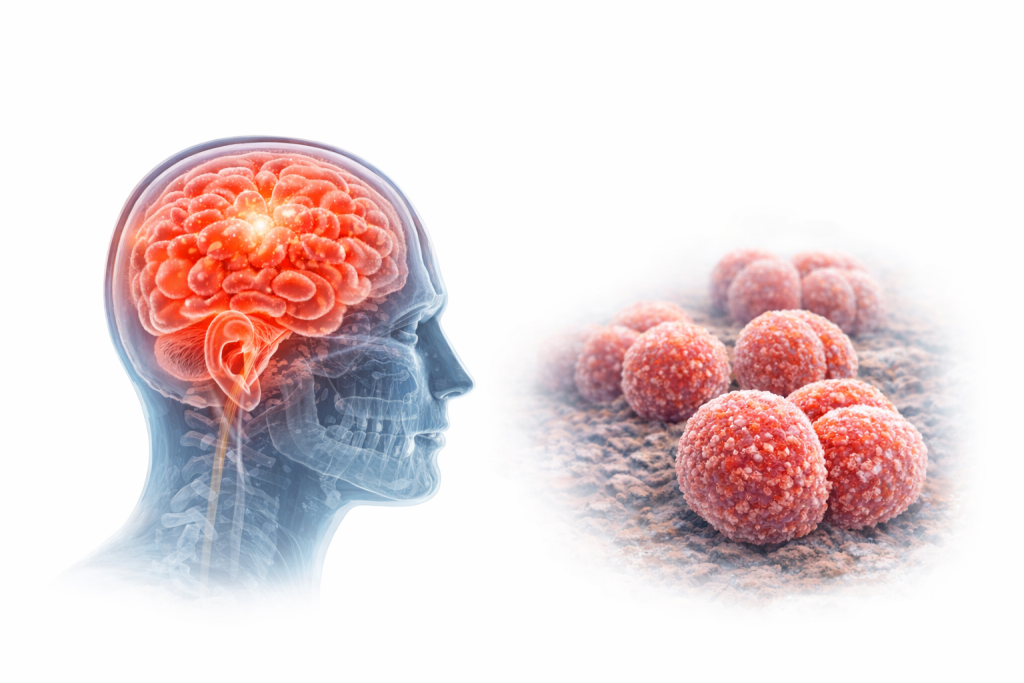
Meningitis B is a rare but rapidly progressive infection that can deteriorate within hours, particularly in children and young adults. Early symptoms are often non-specific—fever, headache, fatigue, and muscle aches, making early recognition challenging in primary care and urgent care settings. However, as the disease progresses, it can lead to meningitis, septicaemia, and life-threatening complications, including shock and multi-organ failure.
Recent UK cases have highlighted how quickly clusters can emerge in close-contact environments such as universities, where social mixing increases transmission risk. Despite this, the overall risk to the wider population remains low. The key to reducing morbidity and mortality lies not in panic, but in vigilance and recognising early warning signs, acting decisively, and implementing prompt public health measures. Early antibiotic treatment and timely prophylaxis for close contacts remain the most effective strategies in preventing further spread and protecting at-risk individuals
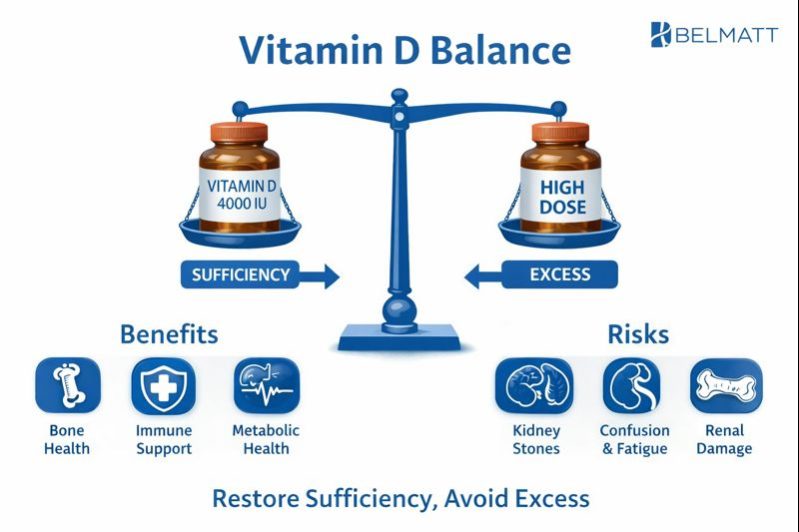
In recent years, and especially since the COVID pandemic, there has been increased public interest in sustainable approaches to health and a greater focus on biomarkers, genetic testing, and functional health strategies. Vitamin D is best known for its role in bone health, but over the last two decades it has attracted growing interest for […]

Dear Colleagues,
We hope you are enjoying the summer holidays and taking time to relax and recharge. August is not only a time for vacations but also an excellent opportunity to reflect on recent developments in healthcare and general practice.

Welcome to the July edition of the Belmatt Healthcare Newsletter. This month, we focus on the latest updates in UK healthcare, offering practical tips to enhance your practice and skills in general practice and primary care settings

In this post, we will be focusing on the critical topic of safeguarding children and adults in the UK. Safeguarding is a fundamental aspect of ensuring the safety and well-being of vulnerable individuals, and it is a responsibility that we all share. This edition will highlight the key aspects of safeguarding, current legislation, serious case reviews, best practices, and ways you can contribute to creating a safer environment for everyone.

As we move through the year, healthcare in the UK continues to evolve with new challenges and opportunities. Here, we bring you the latest updates, insights, and our exciting upcoming courses designed to enhance your skills and knowledge in primary care and beyond.

Dear Belmatt community, In a significant stride towards enhancing the visibility of rare diseases, Jeshni Amblum-Almer, Course Director at Belmatt Healthcare Training, chaired the “Medically Unexplained Symptoms Conference” held in London on May 1, 2024. This event, hosted by the Forgotten Patients Charity with notable contributions and sponsorship from Belmatt Healthcare Training, underscored the critical […]

The proton pump inhibitor (PPI), introduced in 1989, reflected a major medical therapeutic breakthrough in the treatment of peptic ulcers and GORD, resulting in more rapid healing of the lesions and symptom relief. Now, PPIs are the cornerstone in the management of gastric and duodenal ulcers, dyspepsia, gastro-oesophageal reflux disease (GORD), Zollinger–Ellison (ZE) syndrome, Helicobacter […]

This blog discusses the rising number of cases of measles in the United Kingdom.

EXOGENOUS STEROID AND ADRENAL SUPPRESSION REFERENCE TO NATIONAL PATIENT SAFETY ALERT (AUG 2020) To understand impact of exogenous steroid on hormones excreted by adrenal glands let’s briefly look at adrenal glands: Adrenal glands are small triangular shaped glands located on top of both kidneys. These glands are a part of endocrine system. Cortex of adrenal […]