
Paediatric ENT

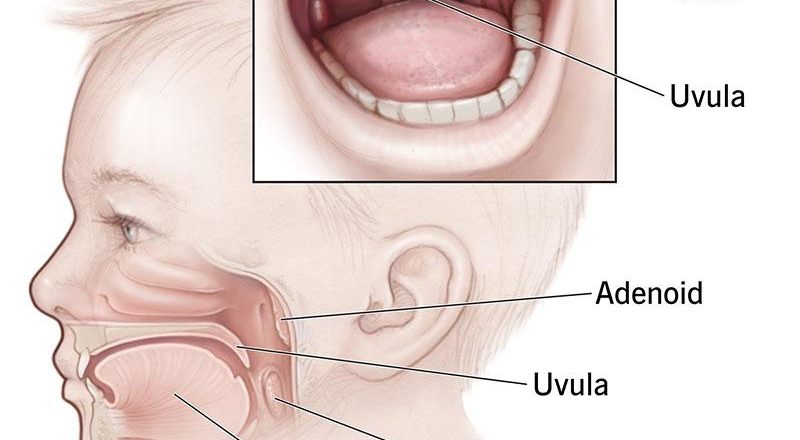
- Description
- Curriculum
Paediatric ENT presentations are among the most common reasons for consultations in primary care, urgent care, and emergency settings. From ear infections and sore throats to airway concerns and foreign bodies, clinicians must be confident in distinguishing self-limiting illness from potentially serious pathology.
This interactive session is designed to provide healthcare professionals with a structured, practical approach to paediatric ENT assessment and management, with a strong emphasis on clinical reasoning, risk stratification, and safety-netting.
Using case-based discussions and real-world scenarios, delegates will explore how to assess children effectively, recognise early signs of deterioration, and make safe, evidence-based decisions aligned with current UK guidance, including recommendations from the National Institute for Health and Care Excellence.
The session is particularly relevant for clinicians working in general practice, urgent treatment centres, walk-in centres, and paediatric settings, where timely decision-making is critical.
Session Content
1. Structured Paediatric ENT Assessment
- Focused history taking (onset, feeding, behaviour, red flags)
- Age-appropriate examination techniques
- Recognising the “well vs unwell” child
2. Common Paediatric ENT Presentations
- Acute otitis media and otitis externa
- Tonsillitis and sore throat (viral vs bacterial)
- Rhinitis, sinusitis, and nasal obstruction
- Foreign bodies (ear and nose)
3. Upper Airway Conditions
- Croup: assessment and management
- Epiglottitis: recognising a life-threatening emergency
- Stridor and airway compromise
4. Red Flags & Escalation
- Drooling, stridor, and respiratory distress
- Mastoiditis and complications of ear infections
- Peritonsillar abscess (quinsy)
- When to refer, admit, or escalate urgently
5. Evidence-Based Management
- Analgesia and symptomatic management
- Antibiotic stewardship in paediatrics
- Delayed prescribing strategies
- Aligning care with National Institute for Health and Care Excellence guidance
6. Communication & Safety-Netting
- Managing parental expectations
- Providing clear, structured safety-netting advice
- Reducing re-attendance and clinical risk
What You Will Gain
- Confidence in assessing paediatric ENT presentations
- Improved recognition of red flags and serious illness
- Safer prescribing and decision-making skills
- Practical tools to apply immediately in clinical practice
Lecturer
Dr Sam Thenabadu
Consultant in Emergency Medicine & Paediatric Specialist Educator

Dr Sam Thenabadu is an experienced Emergency Medicine Consultant with a strong interest in paediatric urgent care and medical education. He is widely recognised for delivering engaging, clinically focused teaching that bridges the gap between theory and real-world practice.
With extensive frontline experience in acute and paediatric emergency settings, Dr Thenabadu brings a practical, case-based approach to teaching, helping clinicians develop confidence in assessing unwell children, recognising red flags, and making safe clinical decisions.
He is actively involved in postgraduate education and has delivered teaching across a range of healthcare settings, supporting multidisciplinary teams to enhance their clinical skills in urgent and primary care environments







Social Network