
Blog
Summer Newsletter : To Everything There Is a Season: Reflections from the Garden to the Clinic
- 4 August 2025
- Posted by: JeshniAlmer
- Category: Uncategorised
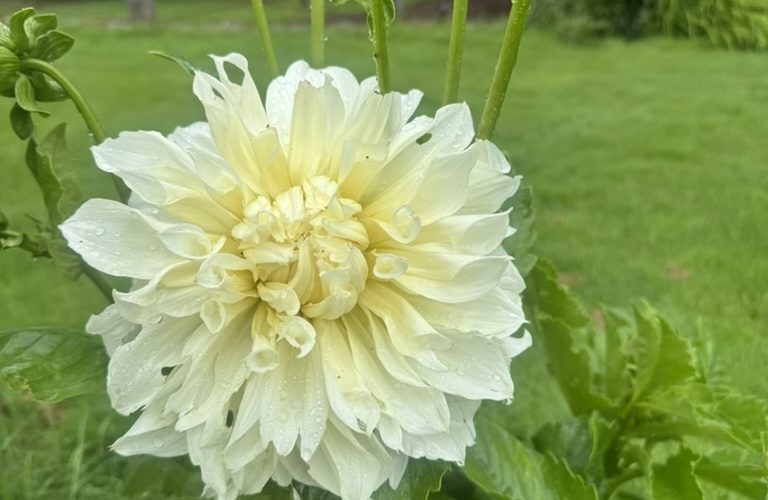
Summer is a beautiful time, filled with longer days, warmth, and a renewed sense of hope. But the seasons don’t always begin that way. When I moved into a new home one November, the garden was buried under layers of fallen leaves. The once vibrant plants stood as brittle, brown stalks poking through the cold soil. It felt lifeless. And in many ways, it reminded me of the times in healthcare, when the shifts blur into one another, the paperwork piles up, and we begin to count down to annual leave, pension, or even the end of our careers. But just like the garden in winter, we need these seasons of quiet and preparation, even when growth seems invisible.
In April, I planted some dahlia bulbs with great hope. The packaging promised beautiful, vivid blooms, and I tended them with care. But as May and June passed with no sign of life, I grew disheartened. I assumed the bulbs had failed. I’d wasted my time. But then, almost suddenly, as summer deepened, the soil gave way to colour, brilliant reds, yellows, and purples. Some were the beautiful white dahlias I had planted; others, to my surprise, were the gifts left by previous owners of the garden. It was a reminder: there is a season for everything, and not all growth is immediate or even visible at first.
This lesson carries powerfully into our work as healthcare professionals. We live and work in a system constantly evolving with new roles, new technologies, new expectations. Sometimes it feels like we’re sowing into dry ground, investing in our knowledge and care with little return. But growth takes time. The patients we care for, the skills we cultivate, the energy we pour into our teams, these are seeds that bloom in their season. Just like my garden, our professional development needs tending. I joined gardening groups, sought advice from experienced enthusiasts, and learned to sift helpful insights from noise. The same is true in healthcare. There’s no shortage of information, guidelines, research papers, social media voices, but discernment is key. We must develop the ability to question, to filter, and to apply only what is evidence-based and relevant to what we do.
There were days I wondered if the effort was worth it, both in my garden and in my career. But standing among those unexpected blooms, I realised that every season serves a purpose. The stillness of winter, the sowing of spring, the waiting of early summer, and the flourishing that follows, each plays a role in shaping what’s to come. As clinicians, educators, carers, and leaders, we are not only tending to others, but we are also tending to ourselves. Our knowledge, our mindset, our wellbeing. And just like the garden, when nurtured patiently and wisely, we too will bloom, in our own time, in our own season. At Belmatt Healthcare Training we recognise the importance of preparation and investment in ourselves, and our careers and we have designed courses to meet those evolving needs. I have listed some of the upcoming courses at the end of this blog. Next, I would like to talk about technology and how it has become so much a part of what we do.
Are the robots taking over?
As a nurse with over 35 years in practice, I’ve always valued the direct, human touch, whether at the bedside or in my notes, often scribbled in black pen. Technology, especially artificial intelligence (AI), once felt like unfamiliar soil: complex, impersonal, and disconnected from the roots of compassionate care. But over time, as both a clinician and an academic, I’ve come to realise that embracing AI is much like working in a garden, it requires patience, understanding, and careful cultivation. When tending a garden, you don’t simply throw seeds into the soil and expect nature to do the rest. You learn about the right conditions, when to water, how much sun is needed, and when to prune. Likewise, AI in healthcare isn’t a set-and-forget tool. It needs clinical gardeners, healthcare professionals who understand how to interpret its outputs, when to trust its insights, and when to dig a little deeper. A weather app might predict rain (like an AI alert flagging deterioration), but just as a seasoned gardener looks at the sky, feels the air, and checks the soil before reaching for a watering can, a skilled clinician uses their judgement, experience, and patient interaction alongside digital tools. AI can tell us what might be happening, but it can’t always explain why or what’s right for this patient, in this season.
The NHS and NICE are cultivating pathways for safe AI use, but as with any garden, it’s not just about planting the seed, it’s about tending the system over time. We need to learn how to use these tools responsibly, ensure they don’t overtake the natural growth of patient-centred care, and prune back where needed. In the end, embracing AI in clinical practice isn’t about replacing the human element, it’s about nurturing a healthy balance between innovation and instinct, much like a well-tended garden that thrives through both planning and presence.
“Same Day Access, Same Old Gaps? Not If We Train Right”
Just as a garden requires planning, nurturing, and time for each plant to bloom in its season, so too does the healthcare system when it adopts a new model of care. The UK Government’s “Same Day Access” pilot, launched in early 2024 across 18 Integrated Care Systems (ICSs), is an attempt to ease the pressure on overburdened GPs by redistributing non-complex cases to other trained professionals including pharmacists, paramedics, and advanced practitioners.At first glance, it may seem like we’re simply rearranging the flowerbeds—moving one plant to make room for another. But as any gardener knows, moving plants too quickly or without preparing the soil can cause more harm than good. In the same way, a system shift like this needs careful cultivation. We must prepare the ground, by investing in training, communication, digital infrastructure, and staff wellbeing, before expecting it to flourish.
When I planted my dahlia bulbs in spring, I expected immediate colour. When nothing happened by June, I assumed I had failed. But by summer, the blooms arrived, some from my effort, others from the unseen work of those who came before me. The Same Day Access model will also take time to bloom. We may not see results immediately. It will require patience, thoughtful nurturing, and a shared vision from all members of the multidisciplinary team. And just like in my garden, not every plant will thrive without attention. If we ignore the needs of clinicians, offering them roles without adequate support or continuity, we risk fragmentation, missed care, or even burnout. But if we water these new pathways wisely, we may just create a more colourful, sustainable landscape for healthcare delivery, one that allows everyone, professionals and patients alike, to thrive in their own season. And until next time when I will tell you a story about vitamin B12, read my article on Listeria or scroll further down to see some fo our upcoming courses.
New Blog: Managing an Emerging Foodborne Threat – Listeria monocytogenes
Did you know Listeria can survive in chilled environments and contaminate everyday foods like smoked fish, soft cheese, and pre-packed sandwiches? While rare, listeriosis carries a high mortality rate, particularly among older adults, pregnant women, and immunocompromised individuals. In one of our latest blogs, we explore: Read the full article: www.belmatt.co.uk/listeria-monocytogenes-managing-an-emerging-foodborne- Book now: www.belmatt.co.uk
How Belmatt Healthcare Training Can Support You
3-Day Minor Illness & Clinical Assessment Course 9,16,23 September 2025 webinar or 3-day Classroom session 20 – 22 October at 1 Wimpole Street, London
Perfect for pharmacists, paramedics, and allied health professionals transitioning into patient-facing roles seeing and treating minor ailments. Hands-on skills in ENT, respiratory, abdominal, and dermatology assessments
2-Day Physical Examination Skills Workshop 1 and 2 September 2025
Essential for clinicians who need to confidently examine the chest, abdomen, ENT, and neuro systems—ideal for urgent care and same-day access settings.
Telephone Triage and Consultation Skills 9 October 2025
Explore safe digital consultations, red flags, and safety netting strategies. Available online and in-house. Explore remote prescribing, managing challenging behaviour, mental health consultations and clinical decision-making.
Blood Results Interpretation in Primary Care
Make sense of common blood test investigations (e.g., infection, renal function, thyroid, LFTs) during consultations in the community and primary care settings. In-House Training Tailored to You
Got a team that needs upskilling? We offer in-house courses across the UK, tailored to your setting—whether in primary care, care homes, urgent care, or hospitals.
Get in touch for a custom quote or group discount. Email: [email protected]
Payment Options
We understand CPD can be an investment. That’s why we now offer flexible payment plans on selected courses. Secure your place today with just a deposit!
What Our Delegates Are Saying
“Excellent course—very interactive and practical. I feel more confident assessing patients independently.”
– Nina, Advanced Nurse Practitioner
“Well-structured with great speakers. Loved the clinical case discussions.”
– Mohammed, Practice Pharmacist
Stay Connected
Follow us on Instagram, LinkedIn, and Facebook for course updates, CPD tips, and behind-the-scenes moments!
Browse our courses:
www.belmatt.co.uk
Visit www.belmatt.co.uk to browse our full course list, book your spot, or enquire about bespoke sessions.