
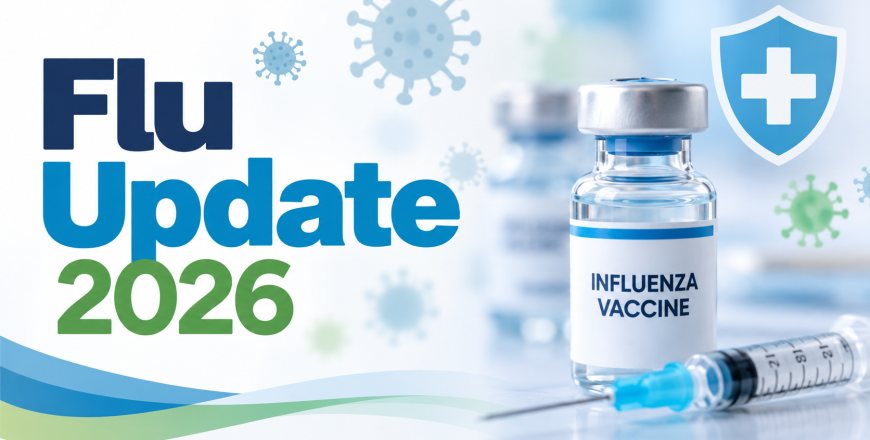
Flu Immunisation 2026 Update

- Description
- Curriculum
Date: 3 November 2026
Time: 09:30–12:30
Course Type: Live Interactive Webinar
Duration: 3 Hours
Lecturer: Kirsty Armstrong
CPD: 3 Participatory CPD Hours
Suitable for: Nurses, pharmacists, paramedics, healthcare professionals and immunisation practitioners involved in delivering or advising on seasonal influenza vaccination.
Flu Immunisation Training for the 2026–2027 Season
Stay up to date with the latest UK recommendations for the 2026–2027 seasonal influenza vaccination programme.
This half-day live webinar provides healthcare professionals with a practical update on the current flu immunisation programme, including the latest UKHSA, JCVI and Green Book guidance.
The 2026–2027 programme includes important updates to vaccine selection, eligibility and delivery. All influenza vaccines used this season are trivalent, and practitioners need to understand which vaccine is recommended for different age and clinical risk groups.
The session will also explore common clinical questions, contraindications, precautions and scenarios encountered during flu vaccination clinics.
What’s New for the 2026–2027 Flu Season?
The webinar will highlight the key changes and recommendations for this season, including:
-
Current eligibility for NHS seasonal influenza vaccination
-
Introduction of people experiencing homelessness aged 16 years and over into the national programme
-
Expansion of community pharmacy flu vaccination for children
-
Recommended start dates for adult, childhood and pregnancy programmes
-
Updated vaccine recommendations by age and clinical risk group
-
Use of adjuvanted, cell-based, high-dose and recombinant influenza vaccines
-
Preferred vaccines for adults aged 65 years and over
-
Vaccine choices for adults aged 18–64 years in clinical risk groups
-
Current recommendations for pregnant women
-
LAIV and inactivated vaccine options for children
-
Updated advice relating to egg allergy and influenza vaccination
-
Contraindications and precautions associated with LAIV
-
Current advice on co-administration with other vaccines
-
Vaccine effectiveness, timing and waning immunity
-
Management of common vaccination issues and errors
Course Programme
09:30–10:15 | The 2026–2027 UK Flu Immunisation Programme
-
Influenza epidemiology and why annual vaccination remains important
-
Review of the 2025–2026 season
-
Current UK vaccination strategy
-
What’s changed for 2026–2027?
-
Eligible patient groups
-
Clinical risk groups
-
Pregnancy and flu vaccination
-
Household contacts of immunocompromised individuals
-
Carers and long-stay residential care residents
-
Frontline health and social care workers
-
New eligibility for people experiencing homelessness
-
Timing of the 2026–2027 programme
10:15–11:00 | Choosing the Correct Flu Vaccine
Practical review of the vaccines available during the 2026–2027 season:
-
IIVc – cell-cultured inactivated influenza vaccine
-
IIVe – egg-cultured inactivated influenza vaccine
-
IIVr – recombinant influenza vaccine
-
aIIV – adjuvanted influenza vaccine
-
IIV-HD – high-dose influenza vaccine
-
LAIV – live attenuated influenza vaccine
The session will consider:
-
Which vaccine for which age group?
-
Vaccine choice for people aged 65 years and over
-
Vaccine choice for adults aged 18–64 years in clinical risk groups
-
Vaccine selection in pregnancy
-
Vaccinating children aged 6 months to under 2 years
-
LAIV in children aged 2 to under 18 years
-
Alternatives when LAIV is contraindicated or unsuitable
-
Egg allergy and egg-free vaccine options
-
Off-label use and practical considerations
11:00–11:15 | Break
11:15–12:00 | Safe Administration & Managing Complex Situations
-
Pre-vaccination assessment
-
Consent and capacity
-
Contraindications and precautions
-
Acute illness and vaccination
-
Immunosuppression
-
Pregnancy and breastfeeding
-
Egg allergy and previous anaphylaxis
-
LAIV contraindications
-
Salicylate therapy and LAIV
-
Vaccine administration
-
Co-administration with other vaccines
-
Adverse reactions
-
Anaphylaxis recognition and immediate management
-
Vaccine errors and incident management
-
Documentation and record keeping
-
Cold chain and vaccine storage
-
Safety-netting and patient information
12:00–12:30 | Case Studies, Common Questions & Knowledge Check
Interactive clinical scenarios covering:
-
Selecting the correct vaccine
-
The older patient with multiple comorbidities
-
Vaccinating a pregnant woman
-
The immunosuppressed patient
-
The child who cannot receive LAIV
-
Egg allergy
-
Previous reactions to influenza vaccines
-
Missed or delayed vaccination
-
Managing vaccination errors
-
Questions frequently encountered during flu clinics
It is particularly useful for practitioners who already have immunisation training and require an annual flu vaccination update for the 2026–2027 season.
Lecturer – Kirsty Armstrong ANP
The webinar will be delivered by Kirsty Armstrong, an experienced immunisation educator who regularly teaches vaccination and immunisation updates for healthcare professionals.
Kirsty will use practical examples, clinical scenarios and common questions from vaccination clinics to help participants translate current national guidance into safe everyday practice.







Social Network